How RPG Games Elevate the Strategy Gaming Experience: Unveiling Unique Mechanics and Gameplay
RPG games have seen a meteoric rise in popularity, especially since 2010. With their intricate stories and engaging gameplay mechanics, they have carved out a unique niche in the strategy gaming world. So, let’s dive into how RPG games elevate the strategy gaming experience and what sets them apart from the crowd.
The Fusion of Storytelling and Strategy
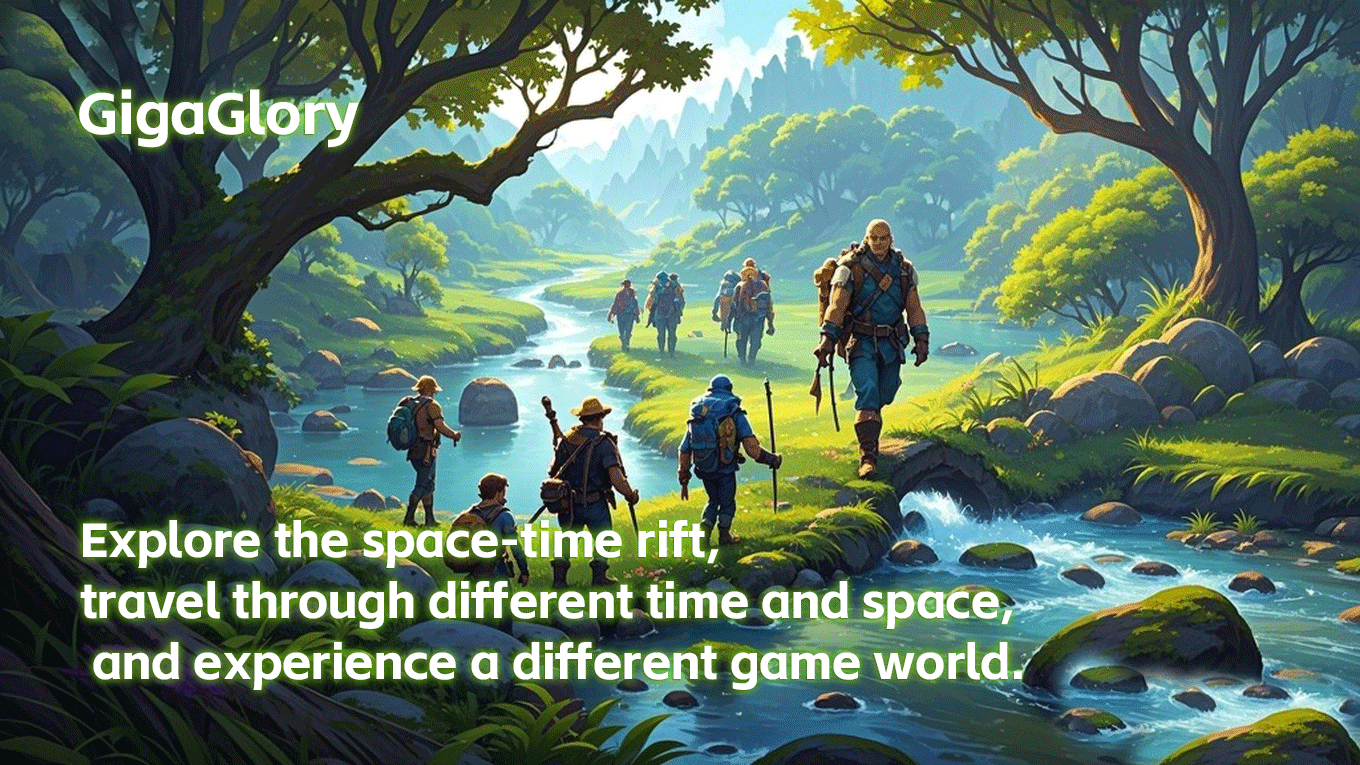
One of the standout features of RPG games is their immersive storytelling. Unlike standard strategy games that may lack depth, RPGs typically boast rich narratives that draw players into expansive worlds. This experiential journey makes decision-making feel more impactful.
- Character Development: Players often find themselves deeply invested in character arcs.
- World-Building: Vast, detailed environments that enhance strategic choices.
- Branching Narratives: Choices that can significantly alter gameplay outcomes, adding layers of strategy.
Unique Mechanics Drive Engagement
RPG games introduce unique mechanics that contribute to a strategic gaming experience. From combat systems to resource management, these elements add complexity and require players to think critically.
| Mechanic | Description | Impact on Strategy |
|---|---|---|
| Turn-Based Combat | Players take turns to strategize their moves. | Enhances tactical planning and decision-making. |
| Skill Trees | Customization options for character abilities. | Encourages diverse strategies based on player choice. |
| Resource Management | Involves collecting and utilizing in-game resources. | Narrows down strategies based on resource availability. |
Strategies Borrowed from Role-Playing Games
A key takeaway from the evolution of RPG games since 2010 is the integration of their mechanics into traditional strategy games. The following strategies highlight how RPG elements enhance gameplay:
- **Adaptive Gameplay:** Strategy games are increasingly adopting RPG-like mechanics, offering players a more dynamic experience.
- **Emotional Investment:** When players can relate to characters, the stakes feel higher, resulting in more thoughtful strategic decisions.
- **Engagement Through Choices:** The thrill of making decisions that impact a narrative can lead players to invest more time and effort into strategic gameplay.
The Social Aspect of RPGs
Another facet where RPGs shine is their social component. Many RPGs support multiplayer modes that encourage collaboration. This aspect allows strategic depth to flourish as players must communicate and devise plans together. The cooperative element adds an exciting layer to the game, transforming strategy into a shared experience.
In the end, it's clear that RPG games not only engage players through intricate narratives and mechanics but also profoundly elevate the strategy gaming experience. As games evolve and combine these elements, the boundaries between genres continue to blur, creating exciting new possibilities for gamers everywhere. So whether you're a veteran of RPGs or just stepping into this expansive universe, the unique combination of storytelling and strategy is sure to keep you hooked!