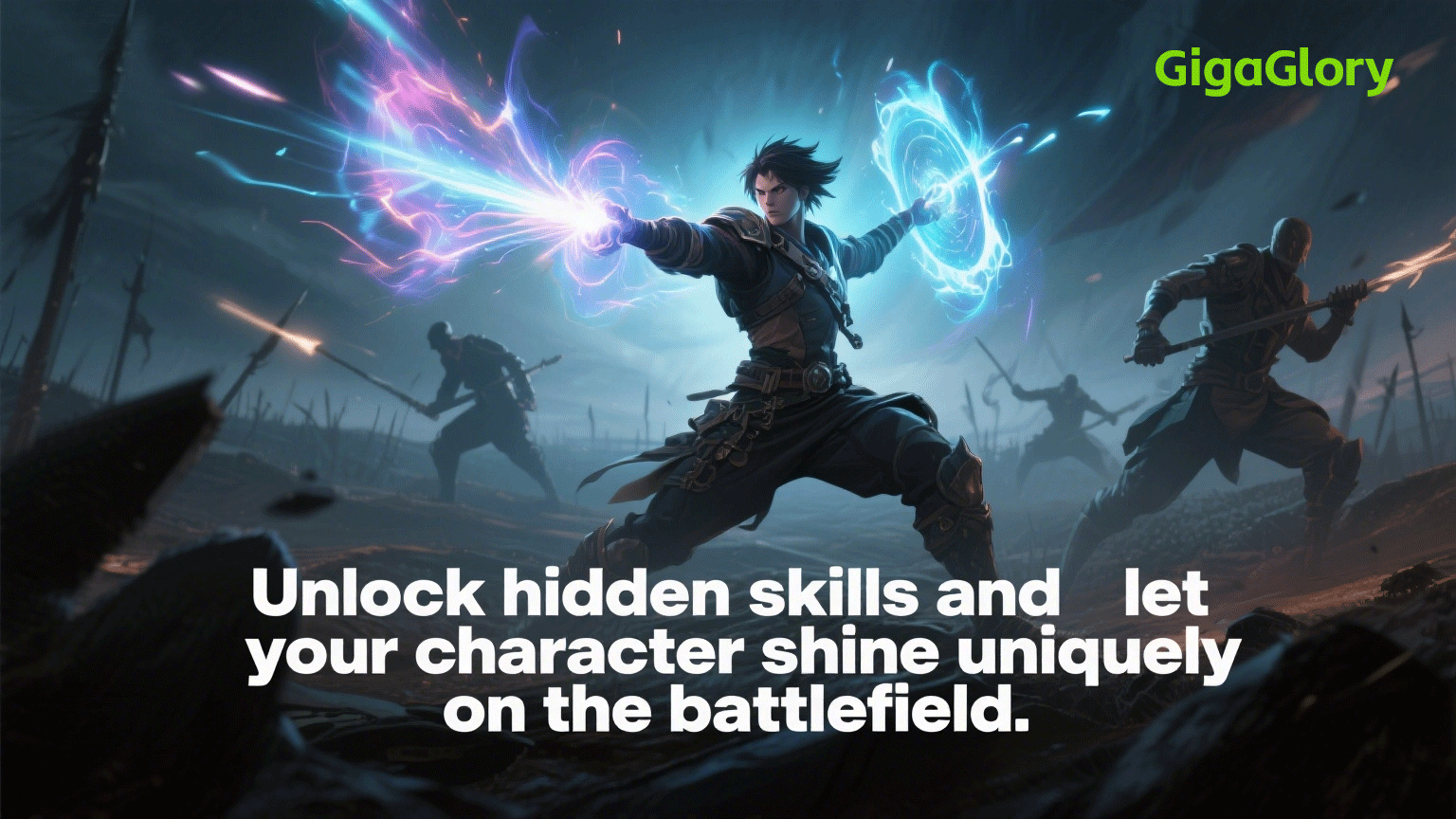
Why RPG Multiplayer Games are Taking the Gaming World by Storm
In recent years, RPG multiplayer games have skyrocketed in popularity, captivating gamers worldwide with their blend of storytelling, immersive worlds, and social interaction. But what exactly makes these RPGs so engaging? Let's explore the undeniable factors contributing to their surge.
The Evolution of Role-Playing Games
Role-playing games (RPGs) have come a long way since their inception. Originally rooted in tabletop gameplay, they have transformed into intricate digital experiences. Today’s RPGs are not just about leveling up; they offer:
- Rich Narratives: Engaging storylines that pull players in.
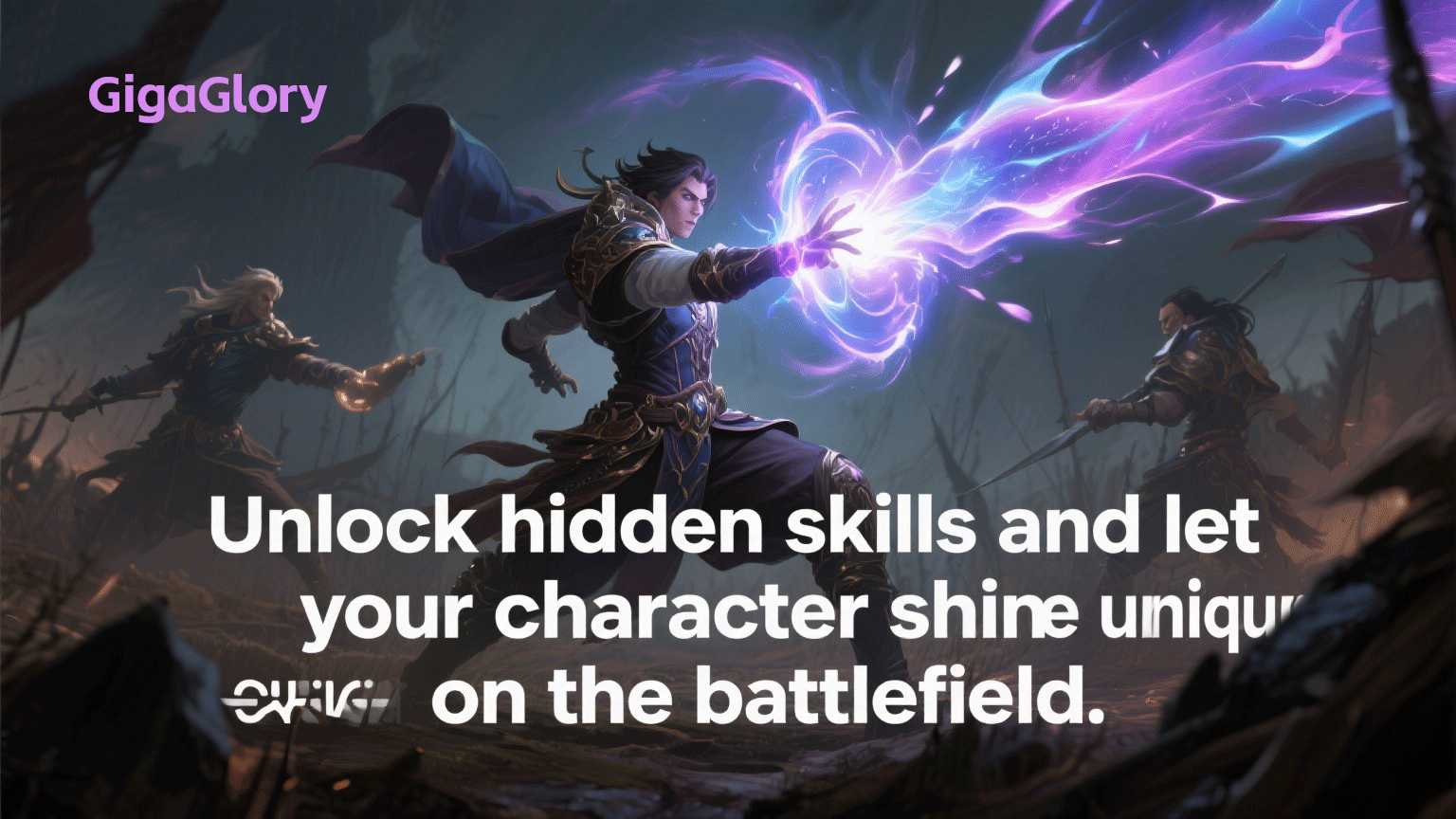
- Character Development: The ability to create and develop unique characters.
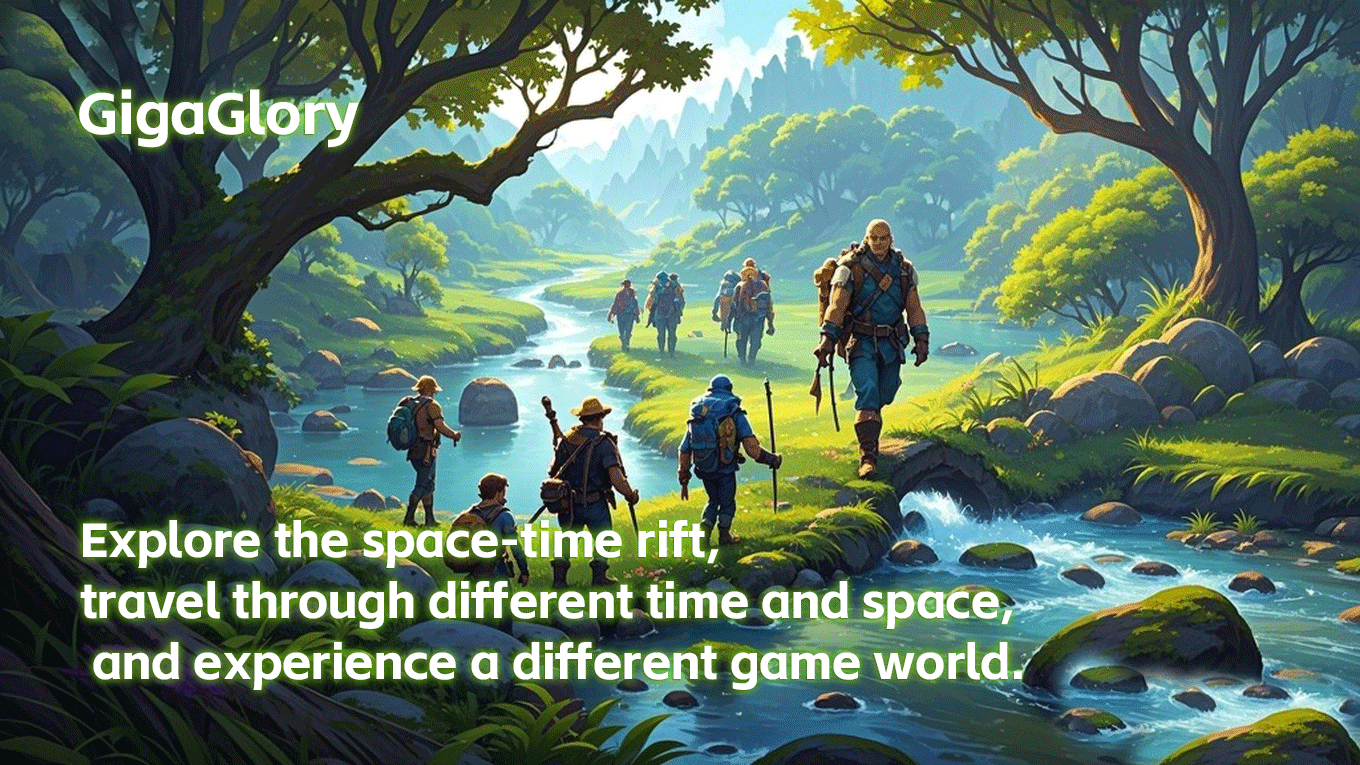
- World-Building: Expansive worlds that are ripe for exploration.
With the integration of multiplayer mechanics, the genre has taken a giant leap forward, allowing friends and strangers alike to embark on quests together, fostering a sense of community.
The Social Aspect: Why Multiplayer Matters
Multiplayer functionality adds a whole new layer to RPGs. Here are some of the key benefits:
| Benefits | Description |
|---|---|
| Collaboration | Players work together to tackle challenges that would be impossible alone. |
| Competition | Friendly rivalries can emerge, adding to the excitement. |
| Community | Forging friendships and connections with like-minded individuals. |
The collaborative nature not only enhances gameplay but also nurtures relationships, making the experience more meaningful. RPG multiplayer games create a shared space where players can communicate, strategize, and celebrate victories together.
Challenges of Multiplayer RPGs
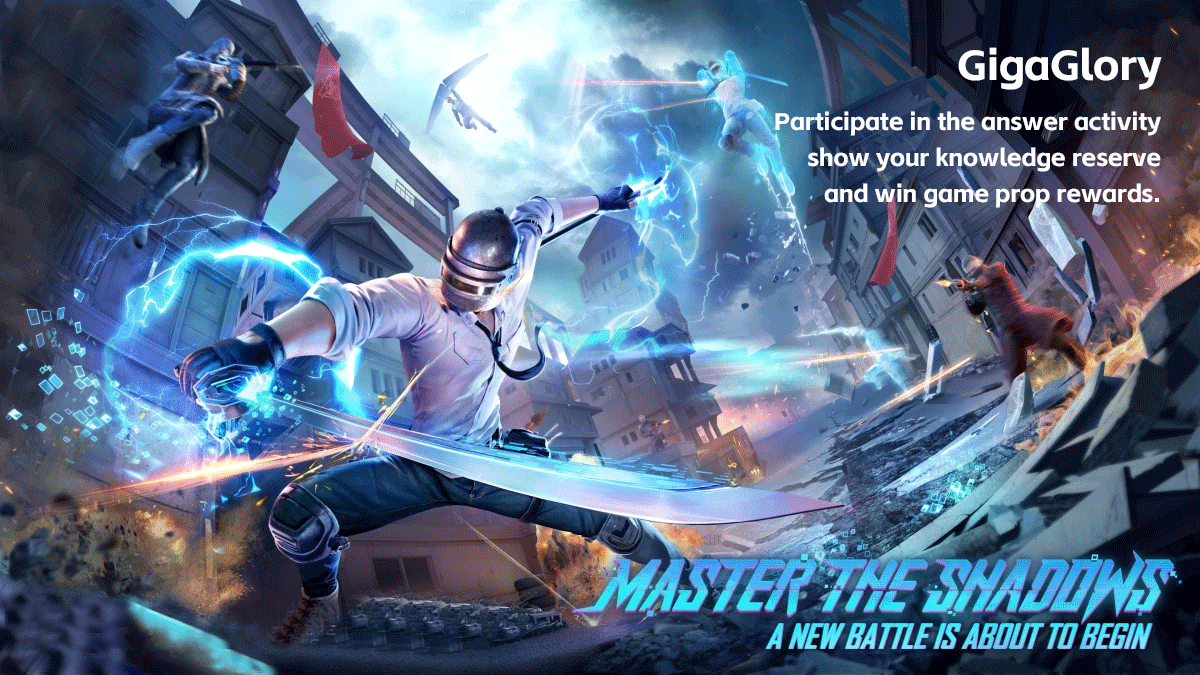
Like any innovation, the rise of RPG multiplayer games comes with its own set of challenges. One common issue that players encounter is when games like PUBG and others crash at the beginning of every match. This can lead to frustration and a disrupted gaming experience. Addressing these technical issues is crucial for developers to maintain player trust and engagement.
Some players have pointed out that regular updates and maintenance can mitigate these issues. Developers need to prioritize performance enhancements to ensure a smoother experience, showcasing their commitment to the gaming community.
A Cultural Phenomenon
As RPG multiplayer games continue to grow, they also reflect various aspects of our culture. They allow us to engage in narratives we wouldn’t experience in real life, teaching us valuable lessons about strategy, teamwork, and perseverance. With diverse game options available, players can find experiences that resonate with their interests.
Ultimately, these games offer a platform for creativity and exploration, pushing the boundaries of traditional gaming experiences.
Conclusion
In conclusion, the rise of RPG multiplayer games is not merely a trend; it signifies a pivotal shift in how we engage with digital narratives. The unique combination of storytelling, social interaction, and collaborative gameplay creates an unparalleled immersive experience that resonates deeply with players. As technology continues to evolve, we can expect RPG multiplayer games to push the envelope even further, creating infinite possibilities for both developers and gamers alike.